
The Complete History of the Sega Mega Drive & Genesis: The 16-Bit Revolution
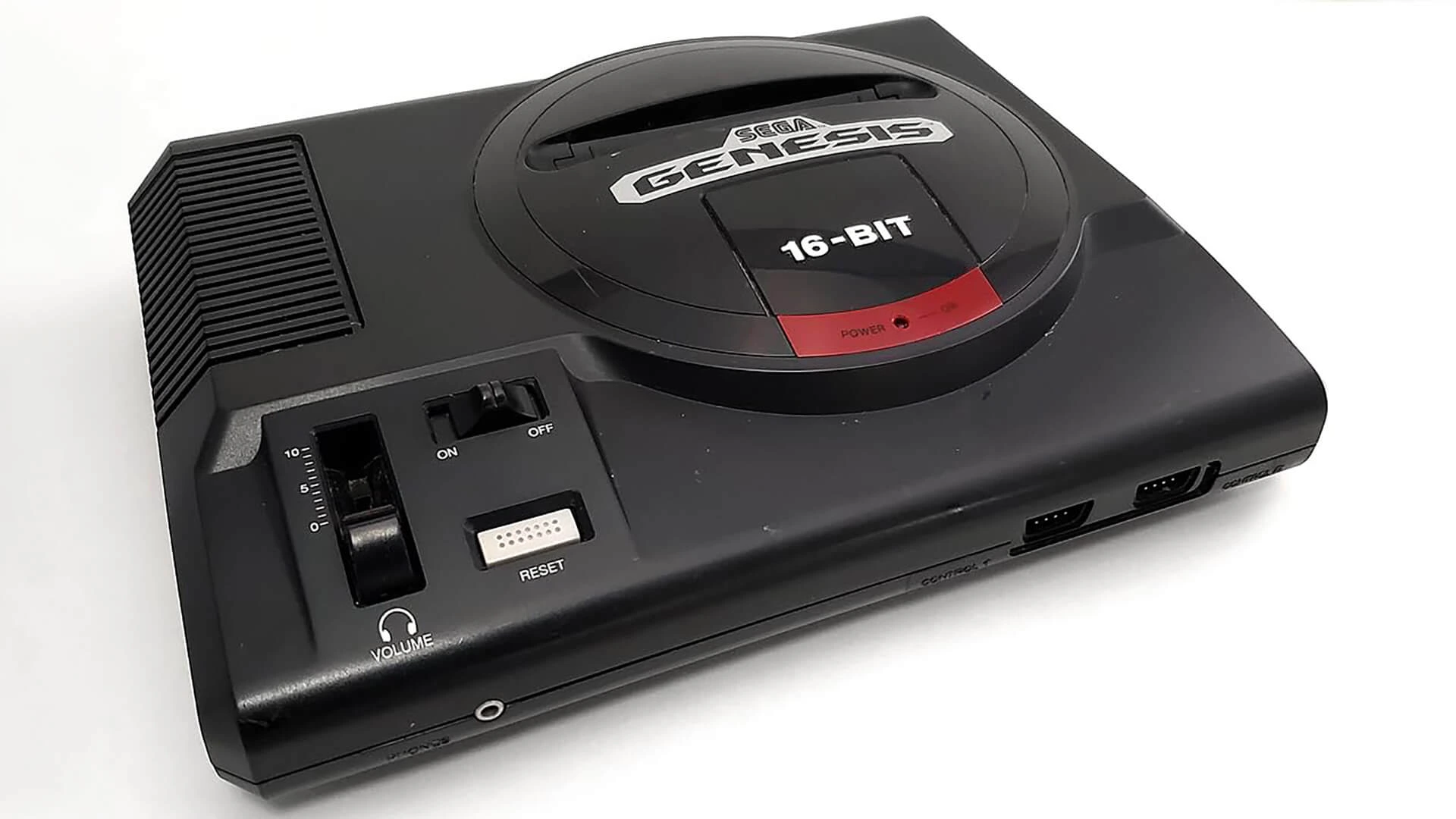
The Sega Mega Drive/Genesis stands as one of the most defining pieces of hardware in video game history. Arriving in an era dominated by a single titan, Sega's 16-bit powerhouse not only shattered a monopoly but also redefined video game marketing, mature software, and the concept of "cool" in the gaming space. From its early conceptualization in Japan to the fiery battlegrounds of the 1990s Console Wars, the journey of the Mega Drive and Genesis is a masterclass in aggressive marketing and technological ambition.
In the late 1980s, the video game industry was waking up from the great crash, spearheaded largely by Nintendo. Sega needed a system that could not only compete but outshine the competition. The result was a sleek, black console that promised arcade-quality experiences in the living room, setting the stage for a revolution that would permanently shape the industry landscape.
Key Takeaways (2026)
- Arcade Roots: The hardware was heavily based on Sega's successful System 16 arcade board, ensuring superior graphics and sound over 8-bit competitors.
- Fierce Rivalry: The Genesis sparked the iconic 16-bit console war, using aggressive "Genesis does what Nintendon't" marketing to capture market share.
- Sonic the Hedgehog: A purpose-built mascot designed to demonstrate the console's "Blast Processing" speed, leading to immense mainstream success.
- Legacy of Hardware: Although successful, Sega's fragmented approach with add-ons like the Sega CD and 32X eventually strained consumer trust.
Disclaimer: The links provided herein are affiliate links. If you choose to use them, I may earn a commission from the platform owner, at no extra cost to you. This helps support my work and allows me to continue to provide valuable content. Thank you!
Origins: Project Mark-V and the System 16 Board
By 1987, Sega's 8-bit Master System was struggling to gain traction against the Nintendo Entertainment System in North America and Japan, despite finding massive success in Europe and Brazil. Sega's CEO at the time, Hayao Nakayama, realized that to beat Nintendo, Sega had to leverage its greatest strength: the arcades. The company was enjoying massive success in arcades with its System 16 board, powering hits like Altered Beast and Golden Axe. Nakayama instructed his hardware team to build a 16-bit console that could replicate these arcade hits faithfully at home.
The project, codenamed "Mark-V," resulted in the Sega Mega Drive. Powered by a Motorola 68000 CPU running at 7.6 MHz alongside a secondary Zilog Z80 for sound (and Master System backward compatibility), it was a beast of a machine for its time. Released in Japan on October 29, 1988, the console struggled initially due to the runaway success of the PC Engine and the shadow of Nintendo's upcoming Super Famicom. It was clear that Sega's true battleground would lie overseas.
Entering the West: A New Genesis
When preparing for the North American launch, Sega encountered a significant hurdle: the trademark for "Mega Drive" was already taken. Nakayama opted for the name "Genesis," symbolizing a new beginning. The Sega Genesis launched in North America on August 14, 1989. Early marketing heavily emphasized celebrity endorsements from Michael Jackson and Joe Montana, alongside arcade ports, aiming the console at teenagers and young adults rather than children.
However, the real turning point came when Tom Kalinske was appointed CEO of Sega of America. Kalinske implemented a ruthless, multi-point strategy to dethrone Nintendo. He lowered the price of the console, created a dedicated US-based software development team for sports games, aggressively mocked Nintendo in advertising ("Genesis does what Nintendon't"), and most importantly, bundled the console with a brand new, lightning-fast game.
The Blue Blur and The Console Wars

Sega needed a mascot to rival Mario. Enter Sonic the Hedgehog in 1991. Sonic was designed to be everything Mario wasn't: fast, edgy, and inherently cool. The game effectively demonstrated "Blast Processing," a marketing term Sega used to highlight the superior speed of the Motorola 68000 processor. By bundling Sonic with the Genesis, Sega effectively forced a paradigm shift in the market.
Throughout the early 1990s, the battle between the Sega Genesis and the Super Nintendo Entertainment System (SNES) became legendary. Sega captured a significant portion of the market by offering edgier content. A prime example was the release of Mortal Kombat. While Nintendo heavily censored the game on the SNES, Sega allowed the infamous "blood code," resulting in the Genesis version vastly outselling its rival and cementing the console as the choice for mature gamers.
Add-ons and the End of an Era
As the 16-bit era dragged on and the looming threat of 32-bit systems approached, Sega made a series of hardware decisions that would ultimately fragment their user base. To extend the life of the Genesis, Sega introduced the Sega CD in 1991 (1992 in NA), which offered CD-ROM capabilities, FMV games, and enhanced audio. While it found a niche audience, its high price tag alienated many.
In a desperate bid to counter the incoming 32-bit machines, Sega released the 32X in 1994, an add-on that slotted directly into the Genesis cartridge port to upgrade it to 32-bit capabilities. The 32X was a commercial failure, plagued by a lack of software and consumer confusion, especially with the Sega Saturn on the horizon. These missteps damaged Sega's reputation going into the next generation of hardware.
The Legacy of the 16-Bit Revolution
Despite the messy ending with the hardware add-ons, the legacy of the Sega Mega Drive and Genesis is unimpeachable. It sold over 30 million units worldwide and single-handedly proved that Nintendo's grip on the industry could be broken. It birthed legendary franchises such as Sonic the Hedgehog, Streets of Rage, and Phantasy Star, and laid the groundwork for modern sports gaming with the EA Sports lineup.
Today, the Mega Drive/Genesis is fondly remembered by retro enthusiasts and continues to live on through mini-consoles, digital compilations, and an active homebrew community. It remains a testament to an era where attitude and pure arcade joy ruled the living room.
Frequently Asked Questions
When was the Sega Mega Drive/Genesis released?
The console was first released as the Sega Mega Drive in Japan on October 29, 1988. It was later released in North America as the Sega Genesis on August 14, 1989, and in Europe as the Mega Drive in September 1990.
What is the best-selling game on the Sega Genesis?
The original Sonic the Hedgehog is the best-selling game for the Sega Genesis/Mega Drive, having sold over 15 million copies worldwide, largely due to being bundled with the console itself.
Why is it called the Genesis in North America?
Sega could not secure the legal rights to the name 'Mega Drive' in the United States, as the trademark was already held by another company. As a result, CEO Hayao Nakayama chose the name 'Genesis' to represent a new beginning for Sega in the region.
Author Details

Mazen (Mithrie) Turkmani
I have been creating gaming content since August 2013, and went full-time in 2018. Since then, I have published hundreds of gaming news videos and articles. I have had a passion for gaming for more than 30 years!
Ownership and Funding
Mithrie.com is a Gaming News website owned and operated by Mazen Turkmani. I am an independent individual and not part of any company or entity.
Advertising Policy
Mithrie.com is supported by advertising revenue to sustain independent gaming journalism. We utilize partners such as Google AdSense and may work with other ad networks in the future. Editorial content remains objective and is not influenced by advertisers or sponsorships unless explicitly stated.
Use of Automated Content
Mithrie.com uses AI tools (including ChatGPT and Google Gemini) to assist in structuring and formatting content. All news stories are fact-checked, edited, and verified by Mazen Turkmani to ensure accuracy and journalistic integrity.
News Selection and Presentation
The news stories on Mithrie.com are selected by me based on their relevance to the gaming community. I strive to present the news in a fair and unbiased manner.