
Tomb Raider Franchise: Games to Play & Movies to Watch
Tomb Raider is a legendary franchise defined by its iconic archaeologist, Lara Croft. From the classic PlayStation 1 era to modern cinematic adaptations, this guide breaks down the series' evolution, key mechanics, and narrative shifts. For the latest updates on the newest title, visit our 🎮 Tomb Raider: Legacy of Atlantis Game Hub.
Key Takeaways
- Lara Croft's character evolution mirrors the gaming industry's shift toward layered, mature storytelling and diverse representation.
- The franchise successfully transitioned into film, with distinct portrayals by Angelina Jolie and Alicia Vikander offering unique interpretations of the character.
- The highly anticipated next entry, Tomb Raider: Legacy of Atlantis, is built on Unreal Engine 5 with support from Amazon Games, promising massive technological leaps.
Disclaimer: The links provided herein are affiliate links. If you choose to use them, I may earn a commission from the platform owner, at no extra cost to you. This helps support my work and allows me to continue to provide valuable content. Thank you!
Introduction
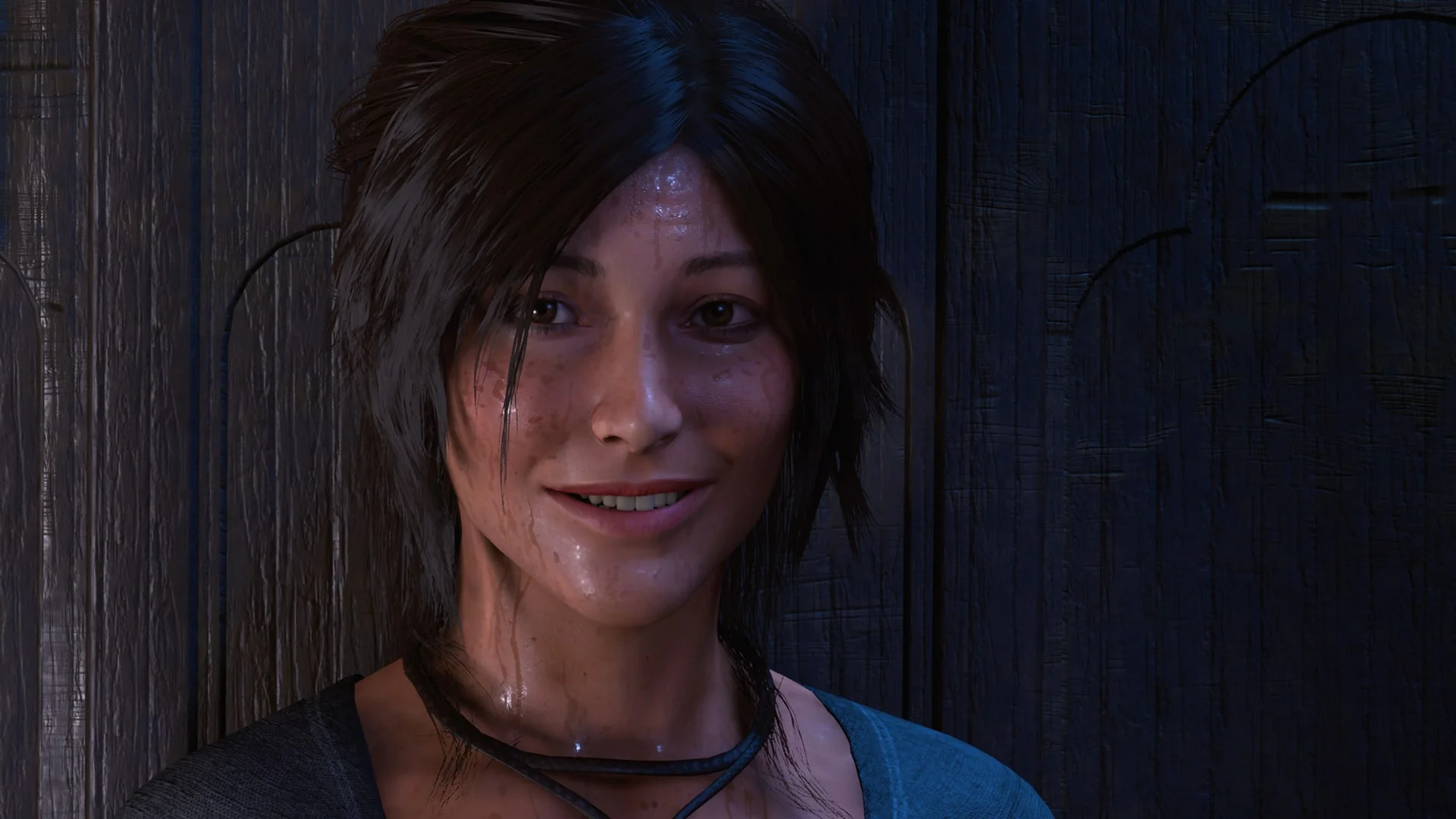
The franchise's enduring appeal stems from its challenging gameplay and well-developed characters. Central to this narrative is Lara Croft, whose character has grown significantly over the decades. This post focuses on the factual evolution of Lara Croft, the impact of the films, the narrative role of Lord Richard Croft, and what players can expect from the series' future.
Evolution of Lara Croft

Introduced in 1996, Lara Croft was one of the first female protagonists in mainstream video games, breaking the mold for representation in the industry. From her blocky early days to photorealistic modern engines, Lara's physical design and psychological depth have seen major overhauls.
This transformation mirrored shifting industry attitudes toward female protagonists, moving Lara from a simple action hero to a layered character with genuine personal struggles. This depth keeps the franchise relevant and sets a high bar for action-adventure storytelling.
Comparing Lara Croft Tomb Raider Movies
The franchise has produced prominent big-screen adaptations featuring Angelina Jolie and Alicia Vikander. Jolie’s 2001 and 2003 films fully embraced the exaggerated action-adventure spirit of the classic games. Conversely, the 2018 reboot starring Vikander portrayed a grounded, realistic Lara—directly mirroring the Survivor trilogy games.
Vikander's acclaimed performance proved the character's versatility across different eras, demonstrating that the core essence of Lara Croft works whether the tone is high-camp action or gritty survival.
The Role of Lord Richard Croft
Lara's father, Lord Richard Croft, is a foundational piece of the overarching lore. Educated at Eton in anthropology and archaeology, he instilled the sense of adventure that defines Lara. In the classic timeline, his decision to send Lara to a Swiss finishing school inadvertently sparked her rebellion.
His character gained heavy focus in the Survivor timeline and earlier titles like Tomb Raider: Legend and Underworld, where his mysterious research and subsequent disappearance serve as primary narrative catalysts.
Iconic Tomb Raider Logo

Introduced in 1996, the original stone-effect logo directly nodded to ancient tombs. The branding has been consistently redesigned to match technical and tonal shifts. The launch of Angel of Darkness brought a brushed metal and fading-text aesthetic, while the 2013 reboot utilized a gritty, minimalist font to establish its survival-horror undertones.
Crystal Dynamics' Influence on the Franchise
Taking over in 2003, Crystal Dynamics fundamentally reshaped Tomb Raider. The studio's 2013 reboot was a critical milestone, abandoning classic tank controls for an over-the-shoulder survival experience with detailed skill progression.
The 2013 reboot remains the best-selling Tomb Raider title. Its massive success yielded two direct sequels: Rise of the Tomb Raider (2015) and Shadow of the Tomb Raider (2018). Crystal Dynamics continues to steer the ship with the highly anticipated Tomb Raider: Legacy of Atlantis.
Memorable Tomb Raider Game Locations

The visual brilliance of the environment design is a core pillar of the series. Iconic locations include:
- The ancient ruins of Peru (Tomb Raider 1)
- The majestic palaces and temples of Greece
- The bustling streets and markets of Egypt
- The snowy peaks and hidden tombs of the Himalayas
- The lush jungles and ancient temples of Cambodia
Tomb Raider 2 brought players to Venice and Tibet, while Tomb Raider 3 expanded this geographical range to the South Pacific and the icy environments of Antarctica, reinforcing the series' identity as a globe-trotting adventure.
Special Features in Tomb Raider Games
Modern entries introduced deep RPG mechanics. Central to the Survivor trilogy are the skill trees: Survivor, Hunter, and Brawler, allowing players to upgrade Lara's proficiency in exploration, ranged combat, and melee encounters.
Shadow of the Tomb Raider expanded this by introducing Scavenger skills for crafting and stealth, alongside the Seeker tree for optimized resource gathering. These systems ensure gameplay remains flexible and tailored to individual player styles.
Noteworthy Scenes in Tomb Raider Films

The films translate the game's set-pieces into high-budget cinema. Standout sequences include the battle against the stone guardian in a Cambodian temple (2001) and the tense, visceral set-piece on a decaying bomber plane suspended over a waterfall in the 2018 reboot. The 2003 film also featured a highly choreographed motorcycle sequence through London, further cementing Lara as a premier cinematic action star.
The Music of Tomb Raider
Nathan McCree established the auditory identity of the series in 1996 with his iconic main theme. Over the years, seven different composers have contributed to eleven mainline games.
Peter Connelly provided the atmospheric score for The Last Revelation, while Troels Folmann earned a BAFTA for his epic, adventurous work on Tomb Raider: Legend. The dynamic music directly enhances the tension of combat and the wonder of puzzle-solving.
Lara Croft's Outfits: Evolution and Impact
Costume design in Tomb Raider has always reflected current gaming hardware and tonal direction. The classic uniform—teal tank top, brown shorts, and combat boots—remained largely untouched until the 2013 reboot.
The modern games transitioned Lara into practical, weather-appropriate gear. By Shadow of the Tomb Raider, her outfits included culturally accurate, era-specific clothing necessary for survival and narrative immersion, marking a massive shift toward realism.
The Future: Tomb Raider: Legacy of Atlantis
The future of the series is currently focused on Tomb Raider: Legacy of Atlantis. Built natively in Unreal Engine 5 and backed by Amazon Games, it promises to be the most technologically advanced entry in the franchise to date, blending the seasoned Lara Croft with modern next-gen mechanics.
Frequently Asked Questions
Who are the actresses who have portrayed Lara Croft in the Tomb Raider films?
Angelina Jolie and Alicia Vikander have portrayed Lara Croft in the live-action Tomb Raider films.
Who is Lord Richard Croft?
Lord Richard Croft is the father of Lara Croft. His archaeological research and disappearance heavily drive the narrative of multiple games.
What is the significance of the Tomb Raider logo?
The logo updates alongside the series to reflect major shifts in tone, from the classic stone-carved look of the 90s to the gritty, survival-focused aesthetic of the reboots.
What is the upcoming Tomb Raider game?
The upcoming entry, titled Tomb Raider: Legacy of Atlantis, is currently in development using Unreal Engine 5.
How have Lara Croft's outfits evolved over the years?
Her attire has shifted from the classic tank top and shorts into highly practical, survival-focused gear that adapts to weather and specific environmental challenges.
Author Details

Mazen (Mithrie) Turkmani
I have been creating gaming content since August 2013, and went full-time in 2018. Since then, I have published hundreds of gaming news videos and articles. I have had a passion for gaming for more than 30 years!
Ownership and Funding
Mithrie.com is a Gaming News website owned and operated by Mazen Turkmani. I am an independent individual and not part of any company or entity.
Advertising Policy
Mithrie.com is supported by advertising revenue to sustain independent gaming journalism. We utilize partners such as Google AdSense and may work with other ad networks in the future. Editorial content remains objective and is not influenced by advertisers or sponsorships unless explicitly stated.
Use of Automated Content
Mithrie.com uses AI tools (including ChatGPT and Google Gemini) to assist in structuring and formatting content. All news stories are fact-checked, edited, and verified by Mazen Turkmani to ensure accuracy and journalistic integrity.
News Selection and Presentation
The news stories on Mithrie.com are selected by me based on their relevance to the gaming community. I strive to present the news in a fair and unbiased manner.